The center of heritage revival organizes scientific symposium (the history of Al-Wazir Mosque


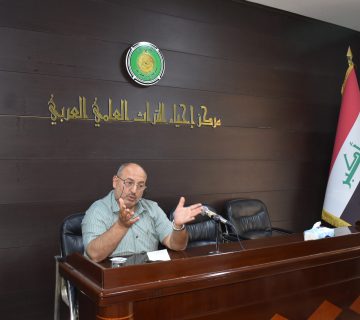
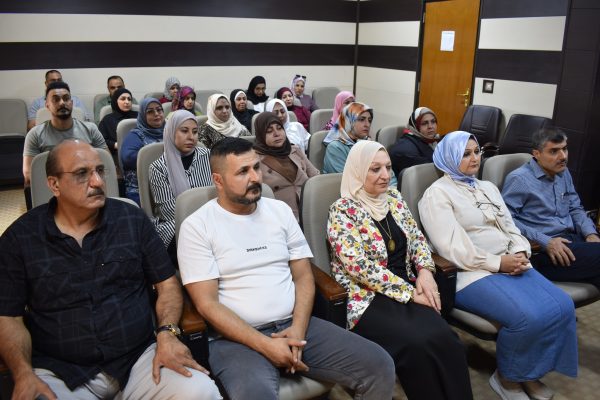
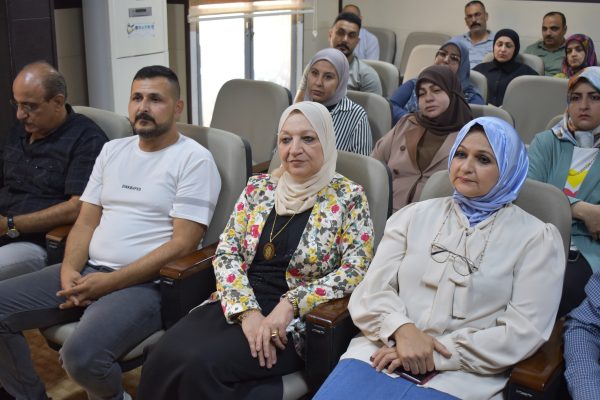
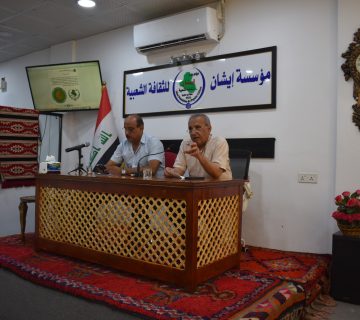
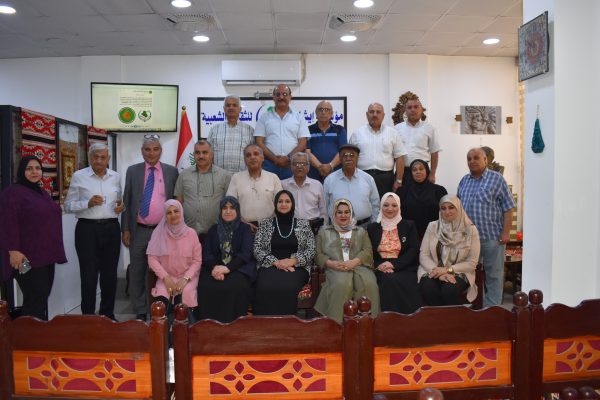
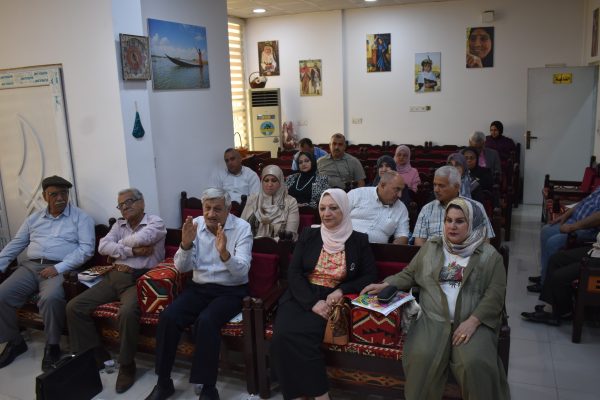
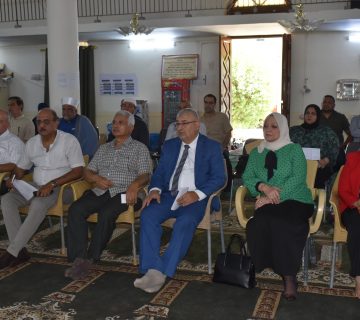
Under supervision by prof. Dr. (Alaa Nafea Jasim , the director of the center , the center of heritage revival organizes seminar entitled (the way of society treating with people with special needs / women as a model) the first research entitled ( the role of girls of special needs in society /students as modal) is presented by prof. Dr. Leqaa Shaker Khattar The lecture focused on how democracy in any country is measured by the cultural, social and economic level reached by women in general and women with disabilities in particular and the extent of their participation in political life and political decision-making. As a result of the male authority that societies have known, including Iraq, history has witnessed various types There are multiple forms of discrimination against women that differ from one country to another, and this has prompted women in Iraq to demand their rights, especially the right to education, employment, and equality in treatment according to special regulations that are afforded to girls with disabilities and the material guarantees that are afforded to girls. Then a lecture by Dr. Rasha Karim Ali, a teacher at our center, and the title of her research is (People with special needs and the disabled in Iraq between reality and challenges) Speaking about people with special needs, God Almighty created human beings with different levels of health and abilities, and He made each of them need the other. The term “people with special needs” was applied to those who lack one of the senses that affects their lives, instead of the word “disabled” because of its impact. Negative effects on them, and interest in this deprived group of people has increased recently, and many countries have resorted to allocating their own organizations that take into account their affairs and meet their needs, such as the United Nations. In the past, such people were viewed in an unfavorable light, and many try Avoid them. There are some families who used to imprison their children. Therefore, they did not find an opportunity for them to live their lives normally, but with the increased spotlight on them, they began to live their lives like healthy people and obtain their full rights. The United Nations has issued charters that guarantee their protection and secure means of a decent life for them, as it is their natural right to enjoy life as people. Healthy people…
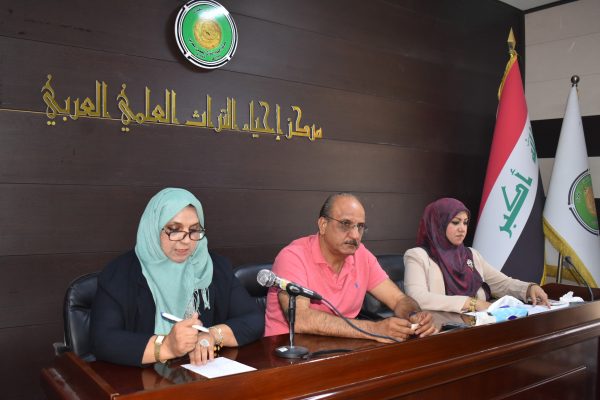
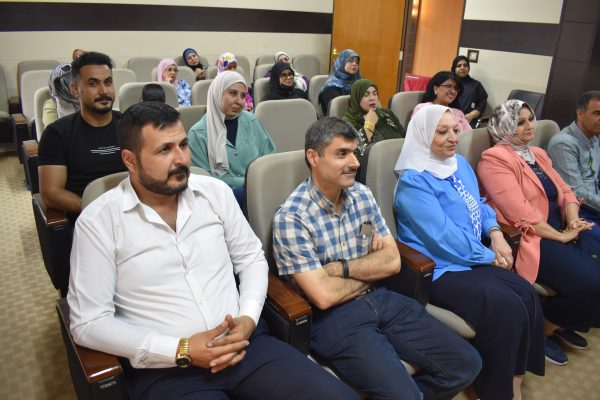
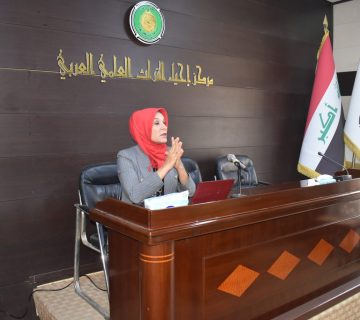
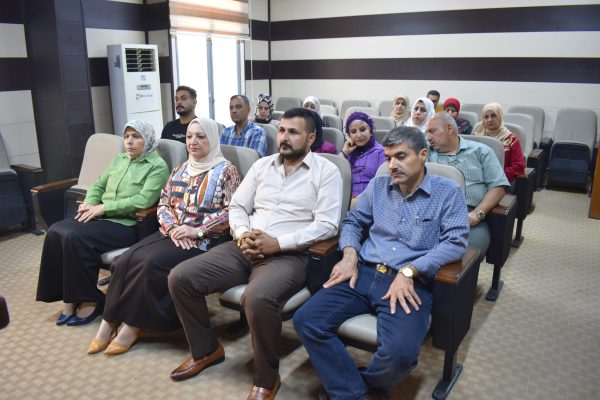
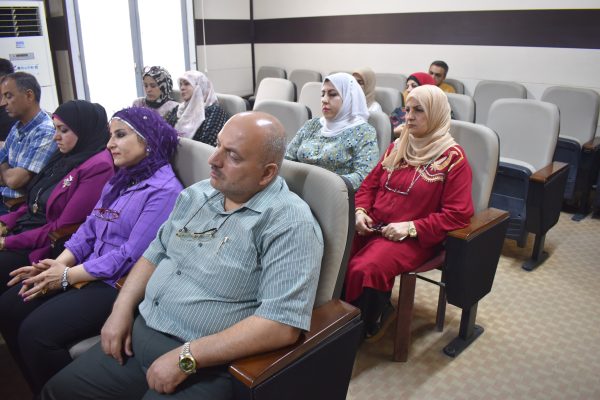
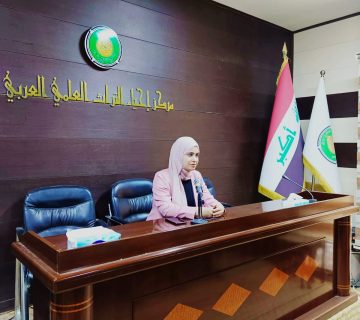
( healthy dangerous of climate between heritage and contemporary) Supervised by the director of the center of heritage revival prof. Dr. Alaa Nafea Jasim , the center organizes a seminar entitled ( healthy dangerous of climate between heritage and contemporary) , the seminar is presented by Msc. Was an Adel Abdulwahab (one of the center’s professors who talks that n the past, health risks associated with climate change included the spread of infectious diseases such as high fever and plague as a result of changes in temperature and the growth of bacteria and viruses that cause diseases. There were also risks of drought and lack of clean water. Which led to nutritional deficiency and the spread of water diseases. The impacts of climate change on public health require coordinated efforts to develop strong and sustainable health responses.
Thermal extremes, whether extreme cold or high temperature, will lead to organic physiological disorders in humans and thus illness or death. One of the proven outcomes of climate change is an increase in the rate of disease and death rates associated with heat, mainly heat waves that cause stress, as excess heat causes heat stress that increases the severity of illness and death rates.